
On the afternoon of April 1, 2026, a faculty-student seminar titled “From Cross-Cultural Observation to Research Topic Selection,” part of the “Global Competence Workshop” series organized by the School of Sociology and Humanities at Jiangxi University of Finance and Economics (JUFE), was successfully held in Room Y402, Yinglu Building, Mailuoyuan Campus. The event was organized by the 2024 cohort of the MTCSOL program (Master of Teaching Chinese to Speakers of Other Languages), with several faculty members from the Department of Chinese Language and Literature present to provide guidance. All MTCSOL students participated in the presentations and discussions.
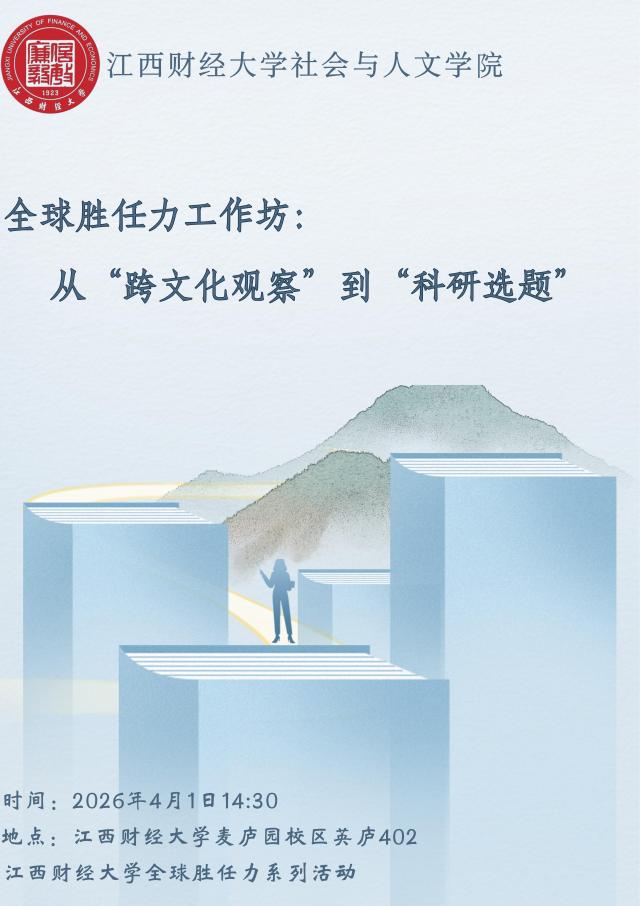
The event aimed to guide students in transforming their everyday cross-cultural experiences and observations into academically meaningful research topics, thereby enhancing their global competence and academic innovation. Focusing on the preliminary stage of thesis topic selection, the workshop included student presentations, faculty feedback, and group discussions, creating a strong academic atmosphere and fostering in-depth exchanges.
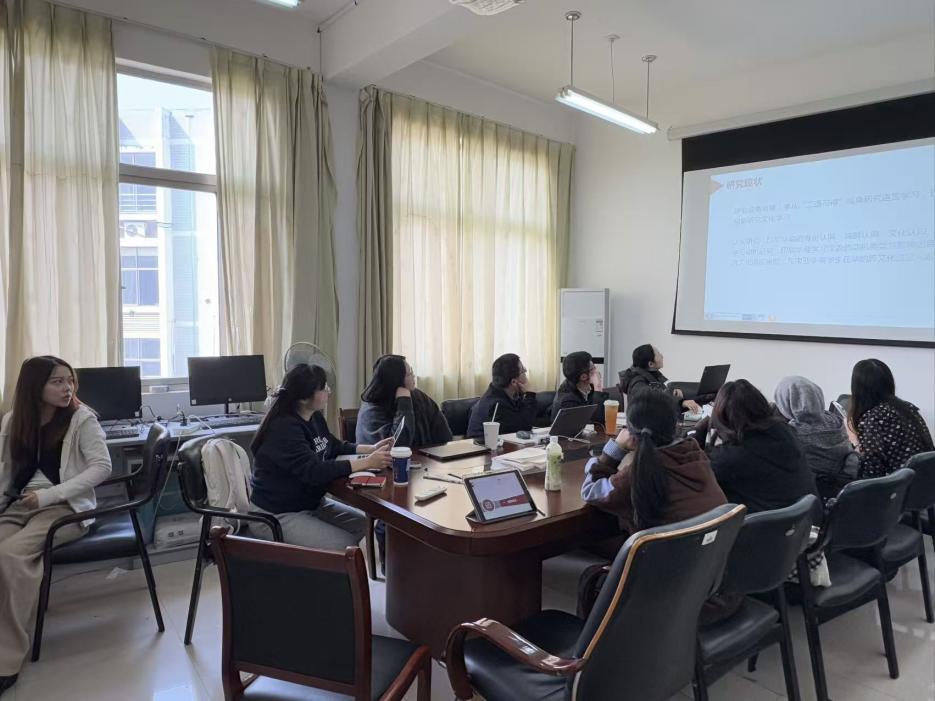
Grounded in Cross-Cultural Practice, Refining Diverse Research Directions
During the presentation session, the 2024 cohort MTCSOL students shared their proposed research areas in turn, covering a wide range of topics in the field of international Chinese language education. Some studies examined language and cultural learning strategies of learners from different countries within the framework of cultural adaptation theory. Others focused on the cultural resources of Jiangxi Province, exploring feasible approaches to integrating intangible cultural heritage and local culture into classroom teaching. Several studies conducted comparative analyses of Chinese proficiency syllabuses and textbooks, examining their alignment in terms of phonetics, Chinese characters, vocabulary, and grammar. In addition, one study adopted a longitudinal qualitative research design to trace the trajectory of cross-cultural adaptation among overseas volunteer teachers during their service period.
Targeted Faculty Guidance Supporting Focus and Feasibility
In the feedback session, the supervising faculty, drawing on their research experience and insights into current academic developments, provided constructive suggestions on each student’s proposed topic. They emphasized that topic selection should consider the feasibility of data collection, prioritize reliable and widely recognized research instruments, and ensure the reliability and validity of the research. At the same time, they advised against overly broad or vague research scopes, recommending that students begin with specific cultural carriers, clearly defined teaching targets, or feasible practical approaches to make their research more focused and implementable.
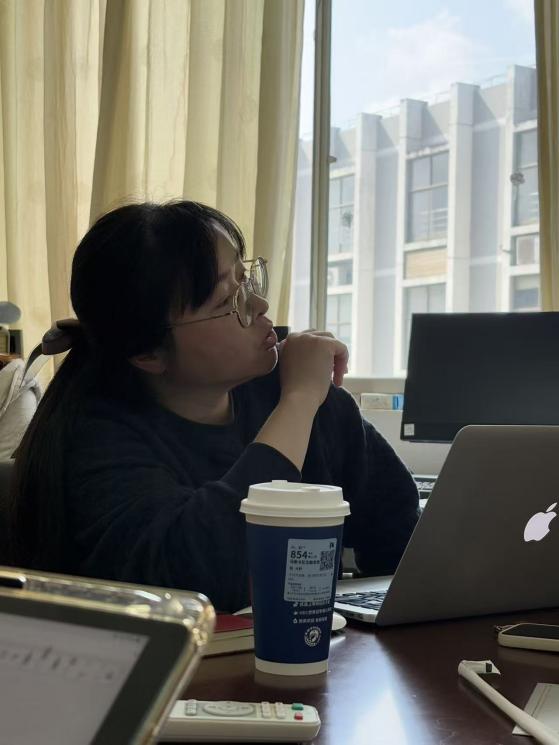
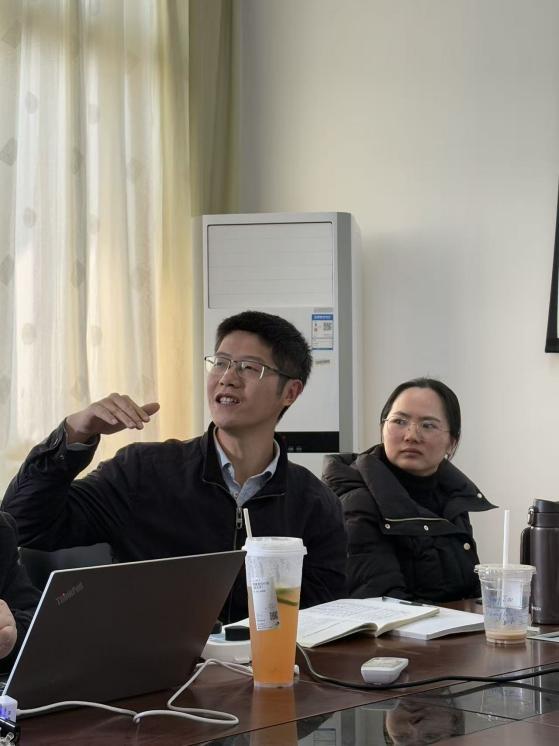
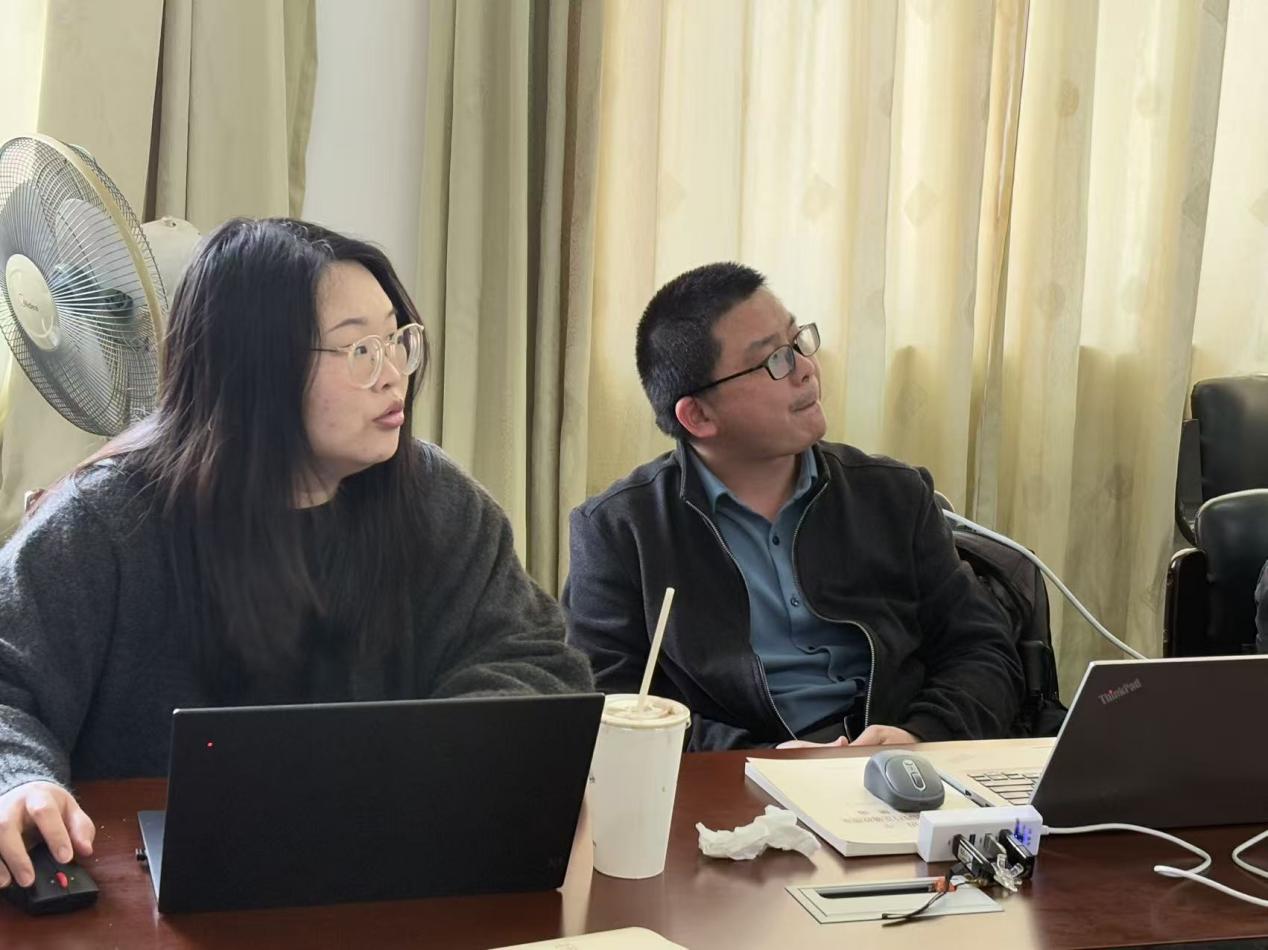
For topics related to regional culture and intangible cultural heritage, the faculty suggested expanding the cultural scope or strengthening the integration of culture and teaching to enhance practical relevance and clarify evaluation outcomes. For comparative studies between syllabuses and textbooks, they encouraged further refinement of analytical dimensions and clarification of implications for teaching practice. For studies on classical Chinese poetry teaching, they pointed out the need to delimit the range of texts and teaching targets, forming a closed loop of “teaching – reflection – re-teaching – re-reflection” to ensure both practicality and academic rigor. For longitudinal studies, they reminded students to consider the applicability of classical theoretical models and to provide a well-grounded rationale for the selection of research time points.
Promoting Growth through Dialogue: An Academic Development Platform
This workshop not only provided MTCSOL students with a platform for presenting and discussing their research proposals, but also, through in-depth faculty-student dialogue, helped them clarify their research framework, focus on core issues, and avoid common pitfalls. Participants noted that the guidance on methodology, data collection, and theoretical application in cross-cultural research laid a solid foundation for their subsequent thesis writing.
As an important component of the School’s “Global Competence” series, this workshop effectively bridged cross-cultural observation and research topic selection, encouraging students to develop academic thinking in real-world contexts and enhance their global competence through cross-cultural dialogue. In the future, the School of Sociology and Humanities at JUFE will continue to organize such activities to cultivate interdisciplinary talents in Chinese language education with a strong sense of social responsibility and a global perspective.
(Written by Shi Yushan, Photos by Lin Zhiling)
